How We Maintain Brick Structural Integrity After Storms
Townsville’s cyclones, wind-driven rain and intense downpours can affect brickwork long after the weather clears. Cracked mortar, displaced bricks and hidden moisture can weaken walls, while damaged gutters and roof flashings continue feeding water into the building. Maintaining brick structural integrity starts with identifying the source of damage—not simply covering visible cracks.
Our approach combines careful assessment, appropriate masonry repairs and practical water management to support lasting protection for Townsville properties.
Start with Safety and a Thorough Inspection
After a severe storm, keep people away from leaning walls, bulging brickwork, loose parapets and partially collapsed fences. Do not climb onto damaged roofs or attempt to straighten unstable masonry. Significant movement requires assessment by a structural engineer before repair work begins.
During an inspection, we look beyond the external surface. Many homes have brick veneer walls, where the brickwork connects to a separate structural frame through wall ties. Damaged or corroded ties can compromise stability even when individual bricks appear sound.
- Cracks and movement: Check for new stepped cracks, displaced bricks, widening gaps and doors or windows that suddenly stick.
- Mortar damage: Look for washed-out joints, crumbling mortar and open pathways for rainwater.
- Water entry: Inspect flashings, weep holes, damp-proof courses and internal moisture staining.
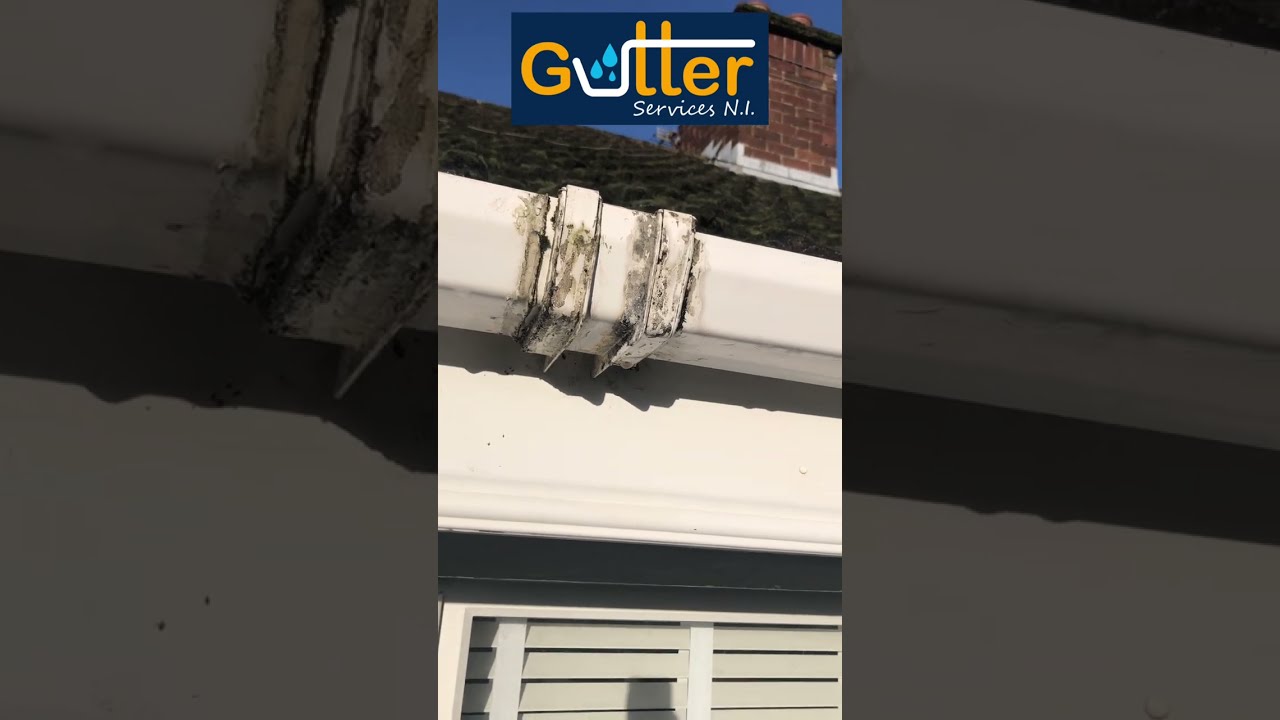
- Connected damage: Examine accessible roof edges, gutters, downpipes and nearby drainage for defects affecting the wall.
Photographs taken safely from ground level help document changes and support discussions with an insurer. Where necessary, temporary stabilisation takes priority over cosmetic brick facade repair.
Repair Mortar and Brickwork Without Trapping Moisture
Use Compatible Mortar Repairs
Effective brick joint repair involves removing unsound mortar to a suitable depth, preparing the joints and installing a compatible replacement. Our brick repointing services focus on matching the existing masonry’s requirements rather than assuming the strongest mortar is best. Mortar that is too hard or impermeable can contribute to brick damage, particularly in older buildings.

Brick mortar replacement and brick mortar restoration also require suitable curing conditions. Fresh repairs need protection from heavy rain, strong sun and rapid drying. These details help reduce cracking and improve repair durability.
Address Movement Before Finishing the Surface
Brick structural repair may involve replacing fractured units, restoring wall connections or undertaking engineered brick wall reconstruction. Crack stitching is appropriate only where assessment confirms it suits the defect; it does not resolve ongoing foundation movement by itself.
Brick expansion joint repair preserves the wall’s ability to accommodate movement. Movement joints should not be filled with rigid mortar. Appropriate joint dimensions, backing materials https://roofrestorationtownsville.com.au/replacement-installation-reroofing/ and flexible sealants matter to performance.
Control Roof Runoff and Groundwater
Brick deterioration repair is unlikely to last if stormwater continues saturating the wall. Damaged gutter repair, clear downpipes and correctly functioning overflow provisions help limit repeated wetting. Where applicable, aluminum gutter repair or copper gutter maintenance must account for material compatibility and corrosion.
We consider comprehensive drainage solutions alongside comprehensive gutter services. This includes checking whether surface water drains away from the building without obstructing weep holes or bridging the damp-proof course. Changes to drainage must discharge lawfully and avoid transferring problems to neighbouring properties.
For larger premises, commercial gutter services and commercial roof repair may need coordination with masonry work. Advanced gutter solutions are useful only when their capacity, positioning and discharge arrangements suit the property.
Weatherproof Carefully and Allow Walls to Dry
Brick wall weatherproofing is not the same as sealing every opening. Weep holes and designed drainage paths must remain functional. Before applying any coating, the wall needs assessment for moisture, salts and compatibility with existing finishes.
Brick erosion control and brick durability enhancement can include replacing damaged bricks, correcting persistent wetting and selecting an appropriate breathable treatment where justified. Advanced painting techniques and comprehensive sealing solutions cannot compensate for unstable masonry or unresolved leaks.
Where moisture also enters through the roof, comprehensive roof repair should address the actual defects, including damaged coverings and flashings. Advanced roof repair and advanced ventilation techniques serve different purposes: ventilation may assist moisture management, but it does not stop rain entering through a failed roof detail.
Plan Ongoing Brick Wall Maintenance in Townsville
Inspect accessible brickwork, gutters and drainage before the wet season and after major storms. Keep vegetation and stored materials clear of walls, monitor repaired cracks and arrange further assessment if movement returns.

For work undertaken in 2026, applicable Queensland licensing requirements, building approvals and current building standards must be checked for the particular repair. Structural alterations and cyclone-related damage deserve qualified assessment, not a cosmetic patch.
Early investigation protects both safety and repair value. A coordinated inspection of masonry, roofing and drainage helps identify what needs attention first and supports a durable repair plan for your Townsville property.
Townsville Roof Restoration Experts
9/141 Ingham Rd, West End QLD 4810, Australia
(07) 4801 8032
Ends · JUDAHYIPO852